

Learn why inmate information doesn’t show up instantly online after an arrest. Understand database delays, verification procedures, jail processing times, and what families should expect.
When someone is arrested, families rush to find information online—only to discover that the inmate is not showing up in the system yet. This delay is extremely common in the U.S., and it can take anywhere from a few hours to several days for inmate records to appear.
Here are the real reasons why inmate information takes time to be posted online.
1. The Booking Process Takes Time
Booking process delay
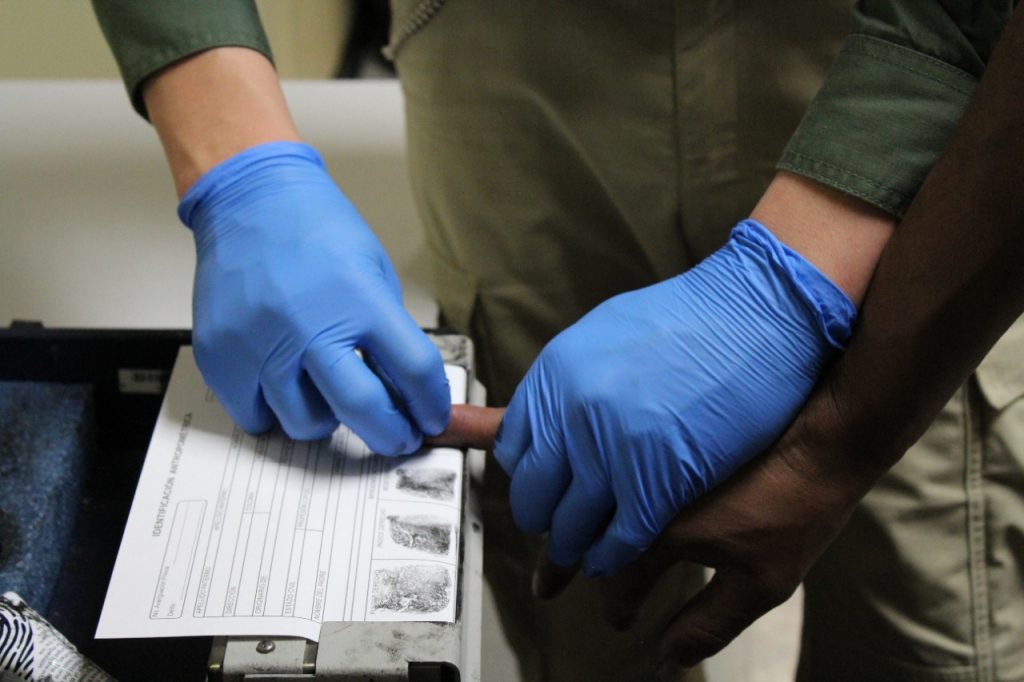
Before an inmate appears in any online system, officers must complete the full booking and intake process, which includes:
- Identity verification
- Fingerprinting
- Mugshot taken
- Medical screening
- Personal property inventory
- Database entry
Depending on how busy the facility is, this process can take 2–12 hours, sometimes longer.
2. Data Must Be Verified Before Posting
Prisons and jails cannot upload inmate information until it has been:
- Confirmed
- Reviewed
- Approved
This helps prevent errors such as duplicate profiles, incorrect charges, or misidentification. Verification delays are one of the most common reasons records don’t immediately appear.
3. System Updates Are Not Instant
Inmate search update times
Many jail and prison databases update only once every few hours, or even once per day.
This means:
- Even if the inmate has finished processing, the public website may still not show their information.
- Some small jails update their online roster manually, causing even longer delays.
4. Transfers Cause Temporary Disappearances
If the inmate is being moved between facilities:
- Their data may show “not found”
- Their old facility removes them
- The new facility hasn’t added them yet
During transfers, inmates may not appear online for 24–72 hours.
5. High Arrest Volume Slows Down Uploads
Weekends, holidays, and police operations often result in a surge of arrests.
More arrests = longer processing times = more database delays.
Some jails go into backlog for 24–48 hours when they are overloaded.
6. Technical or Administrative Issues
Sometimes delays happen simply because of:
- System outages
- Website maintenance
- Staffing shortages
- Slow manual data entry
- Internal audits
Even large facilities occasionally experience database disruptions.
7. Privacy or Legal Restrictions
Some inmate information is delayed or withheld due to:
- Ongoing investigations
- Classification reviews
- Medical or psychological holds
- Juvenile protections
- Court orders
In certain cases, the facility must wait for legal approval before posting details publicly.
How Long Does It Usually Take?
While times vary by state and facility, most cases fall within these ranges:
| Status | Typical Time |
|---|---|
| County jail booking | 2–24 hours |
| State prison intake | 24–72 hours |
| Transfers | 24–72 hours |
| High-volume periods | Up to 3–5 days |
Final Thoughts
Seeing no inmate information online can be stressful, but it is extremely common. Booking, verification, and system delays are normal and do not indicate a problem. Most inmate profiles eventually appear once the facility completes its internal processes and updates the public database.