

Learn about the most important services offered to inmates in U.S. prisons, including medical care, education, commissary, communication, rehabilitation programs, and more.
1. Medical and Mental Health Care
Keyword: inmate healthcare services
All inmates have access to basic medical care, including doctor visits, dental services, emergency care, and medication management. Mental health services such as counseling, suicide prevention, psychiatric evaluations, and substance abuse treatment are also available.

2. Commissary Services
Keyword: prison commissary
The commissary allows inmates to buy food, snacks, hygiene products, clothing, writing supplies, and sometimes electronics like radios or tablets. Inmates use funds deposited by family or earned through prison jobs.

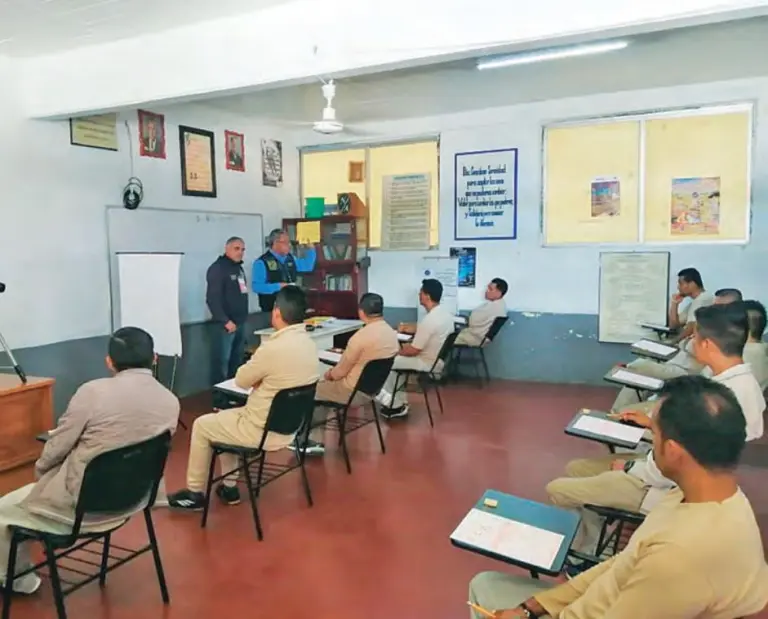
3. Educational Programs
Many prisons offer:
- GED preparation
- High school equivalency programs
- College correspondence courses
- ESL (English as a Second Language) classes
- Basic literacy programs
Education helps inmates reduce recidivism and improve future job opportunities.
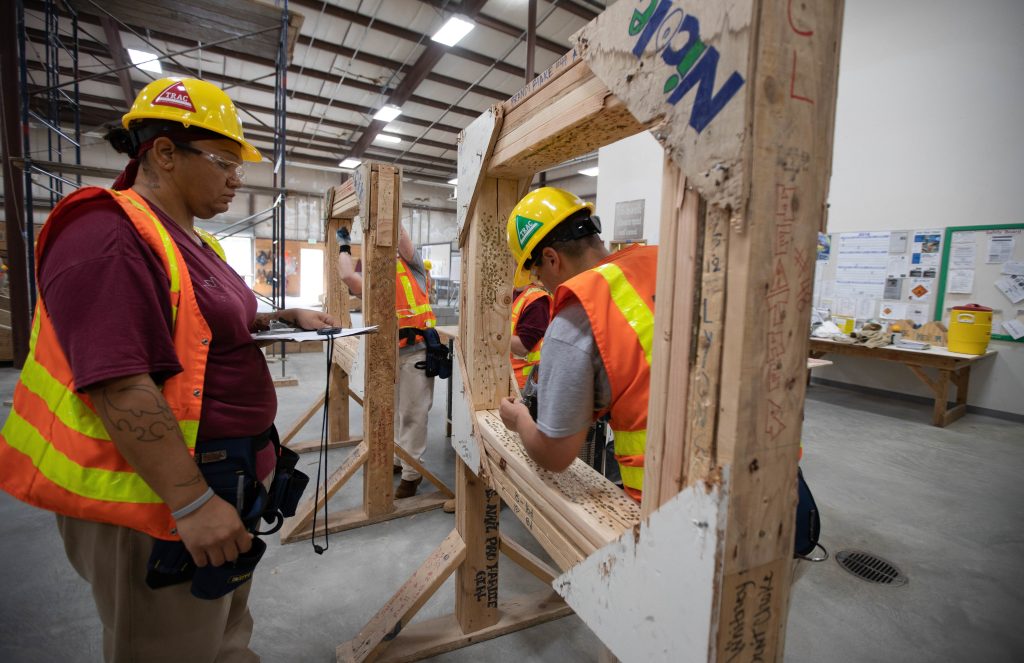
4. Vocational Training
Prison vocational programs
Inmates can train in fields such as:
- Carpentry
- Electrical work
- Welding
- Culinary arts
- Automotive repair
- Computer skills
These programs provide certification and real-world job skills.

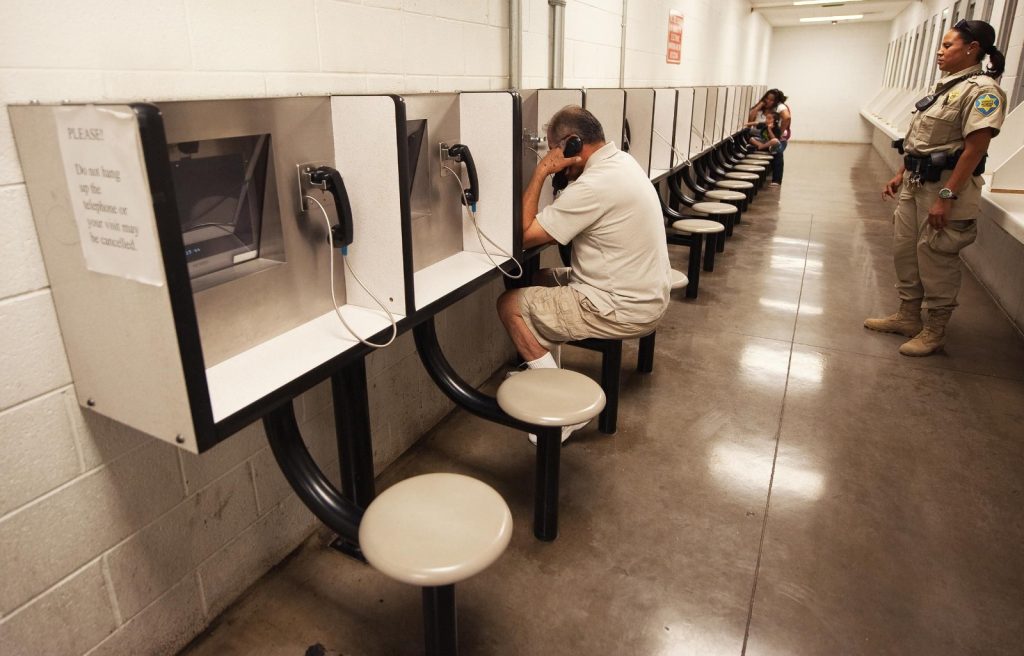
5. Communication Services
Inmate communication services
Staying in touch with family is crucial. Most prisons offer:
- Phone calls
- Email or secure messaging (via tablets)
- Video visitation
- Traditional mail services
These tools strengthen relationships and support emotional stability.
6. Recreational and Fitness Programs
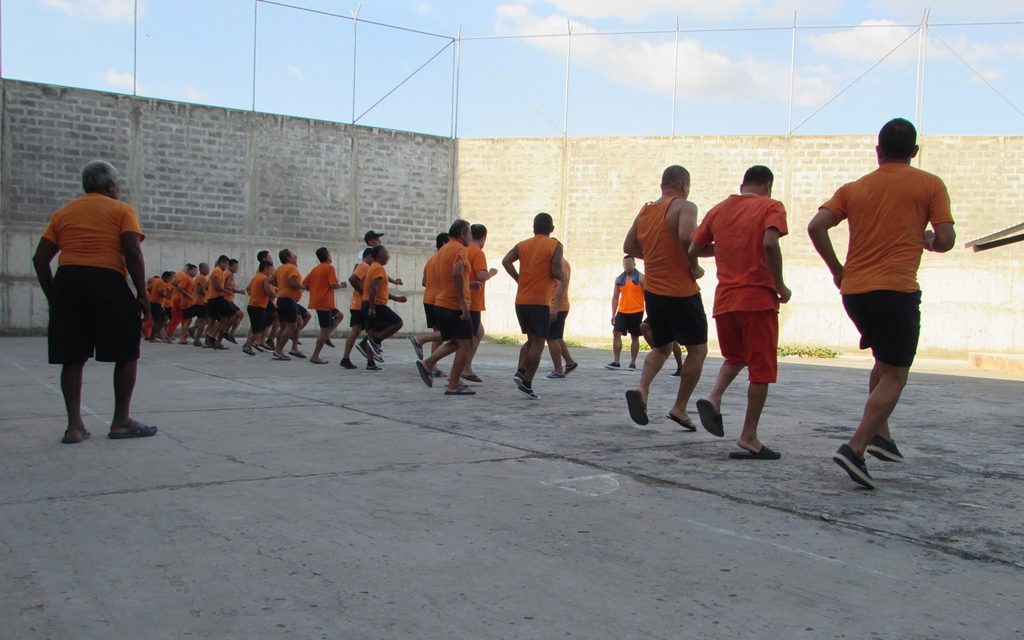
Recreation is an important part of maintaining physical and mental health. Facilities may offer:
- Outdoor yard time
- Sports (basketball, soccer, handball)
- Weightlifting (in some prisons)
- Arts and crafts
- Music programs
Recreation reduces stress and helps maintain structure.
7. Substance Abuse Programs
Prisons often offer:
- Alcohol and drug education
- Support groups (AA, NA)
- Cognitive-behavioral therapy
- Long-term rehabilitation programs
These services aim to reduce relapse and promote healthy behavior.

8. Religious and Spiritual Services
Keyword: prison chaplain services
Most facilities have chaplains who organize faith-based activities and services. Inmates may attend worship sessions, study groups, confidential counseling, and religious ceremonies.
9. Work Programs
Inmates may work inside the facility in:
- Kitchen duty
- Laundry
- Cleaning
- Maintenance
- Landscaping
- Prison industries (manufacturing, agriculture, etc.)
These jobs pay small wages but provide discipline and a sense of purpose.
10. Legal Assistance Services
Prisons offer access to:
- Law libraries
- Legal forms
- Assistance with filing appeals or grievances
While inmates must handle their own legal cases, these services ensure they have basic access to legal resources.

Final Thoughts
The services offered inside U.S. prisons go beyond basic survival. From healthcare and education to communication tools and rehabilitation programs, these services play a vital role in supporting inmates’ well-being, reducing conflict, and preparing them for life after release.